
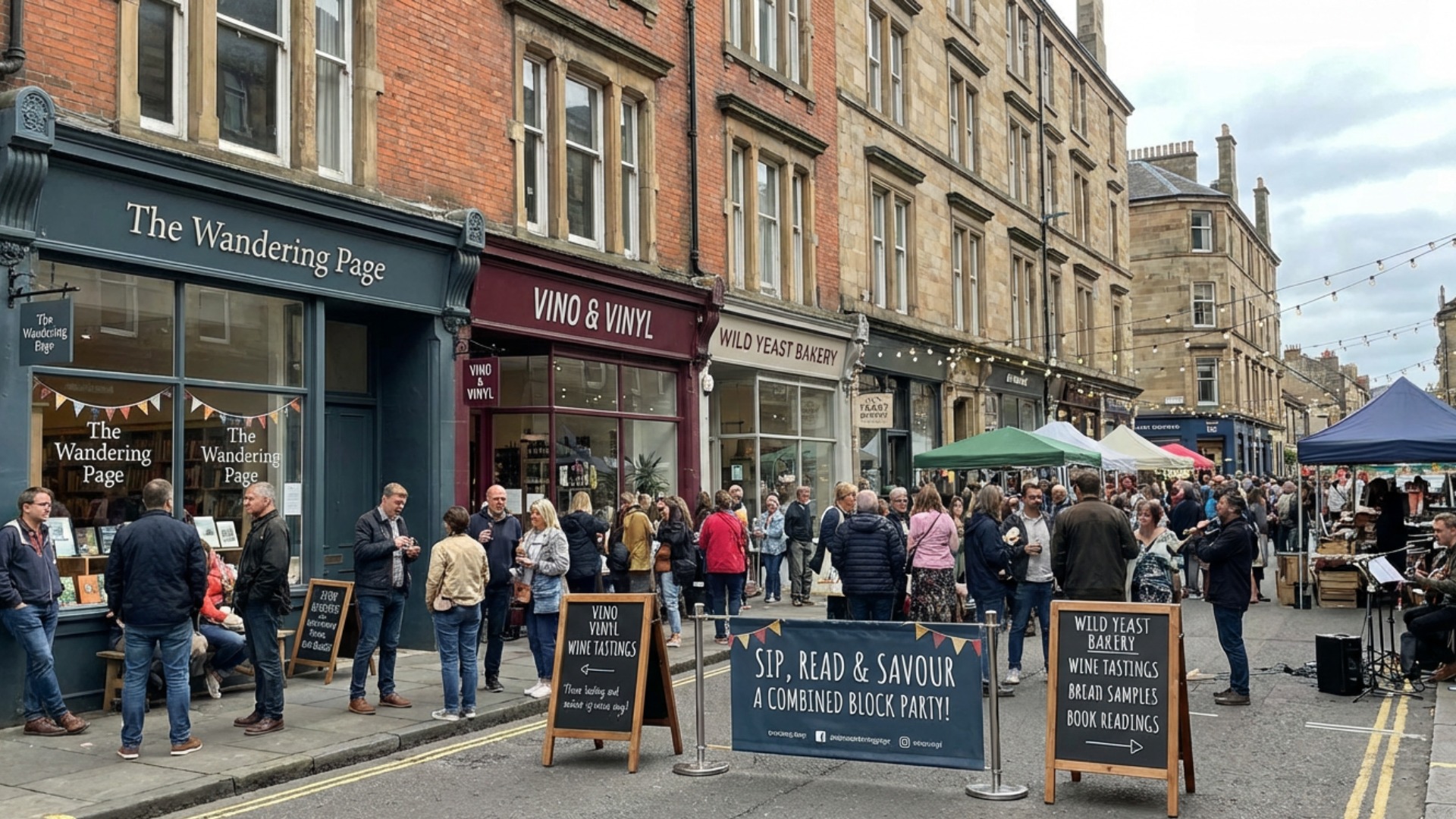
Local shopping is no longer just about crossing items off a list. It’s about stepping into an experience that feels surprising, delightful, and worth talking about afterward. When an ordinary errand is wrapped in immersive storytelling, playful challenges, or a sense of mystery, it becomes a mini-adventure people plan for, invite friends to, and share on social media. Instead of just “running to the store,” they are choosing to spend an evening exploring clues, themed décor, live performances, or gamified rewards that draw them from one storefront to the next.
Consumer behavior has shifted toward valuing experiences over things. This is transforming how people think about their neighborhoods. Shoppers are looking for reasons to make a night of it close to home — meeting up for dinner, browsing a few shops — and capping it off with an engaging activity rather than driving to a distant mall or staying online. As entertainment-led experiences become part of the fabric of a town’s main street, local shopping evolves into something richer. It’s become a way to connect with a place, support nearby businesses, and create shared memories in the very streets people call home.
The rise of the experiential shopper
A new kind of shopper is shaping the future of in-person retail. Families, Gen Z, Millennials, and “kidults” are seeking outings that feel fun, social, and story-driven instead of purely transactional. They want activities that spark curiosity, invite participation, and give them something memorable to talk about later — whether that’s solving a puzzle, discovering a surprise moment, or unlocking a small reward along the way.
These experiential shoppers look for local shopping opportunities that fit into a fuller outing with friends or family, such as dinner, a walkable mystery experience, and a few spontaneous stops at nearby stores. Their desire for connection and entertainment often leads to longer visits on Main Street, more impulse purchases, and repeat trips to the same cluster of businesses because the experience feels fresh each time.
But the shift isn’t just about what shoppers want. It’s about how retailers show up for them. Zachary Rischitelli, Managing Director of Fig Advertising, a full-service agency serving the established small business market, sees this firsthand. “The mindset shift is about changing what the staff’s role is,” he explains. “No more open-ended questions to greet someone before they go off on their own. Instead, guide them into an experience — think of it like a Build-A-Bear situation. It’s a whole process customers go through.” For retailers and towns, designing for this audience can turn occasional visitors into regulars who treat the district itself as their favorite place to spend time and money.
How entertainment activations boost foot traffic
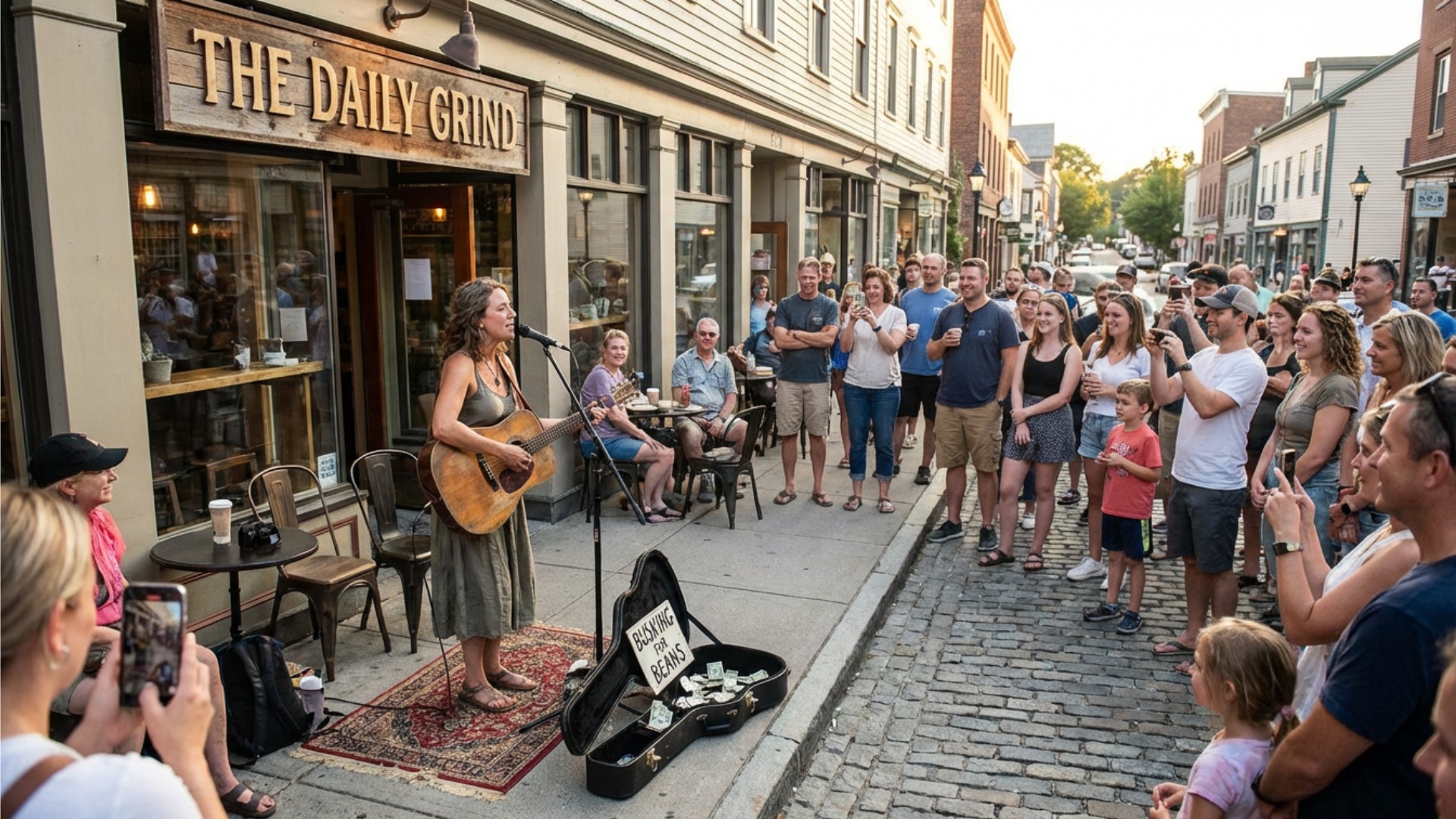
Seasonal events, themed trails, live performances, and immersive experiences have the power to turn a quiet evening into a busy one on Main Street. People are drawn to the promise of something special happening in their own town — whether that means exploring a limited-time attraction, following a story-driven route, or taking part in an interactive show that rewards participation.
These activations often become the spark that brings visitors into a district, and local shopping benefits from what happens next. Guests who come for entertainment frequently arrive early or stay late, which creates more time to browse storefronts, discover new cafés, and pop into shops they might have otherwise walked past. The result is a spillover effect where a single experience supports multiple businesses and encourages people to return the next time something fun is happening on Main Street.
Rischitelli has seen this dynamic play out in real campaigns. Working with a regional coffee roaster that operated physical cafés, grocery store placements, and an online store, his team worked to weave all three channels into a unified experience — ensuring the warmth of the in-store environment translated digitally and that promotions flowed between them. “We saw tremendous growth — about a 20% increase in tying the online experience into the in-store environment,” he says. The lesson: when the experience feels coherent and connected, customers don’t just shop once — they transition from one channel to another and stay engaged longer.
Gamification, mystery, and play in retail
Shopping feels different when it invites curiosity and interaction instead of rushing through a list. Scavenger hunts, in-store challenges, collectible rewards, and simple digital badges turn a routine visit into a playful quest that people want to complete. This kind of design encourages guests to slow down, explore more aisles, and step into multiple locations during a single outing, which supports surrounding businesses as well as their original destination.
Local shopping gains new energy when mystery and storytelling tie everything together. Experiences inspired by a Mystery on Main Street–style format can weave clues, characters, and puzzles through participating shops so that each stop unlocks a piece of a larger narrative. Visitors feel like they are part of an adventure that just happens to move them through real stores and cafés, creating stronger memories and more reasons to return to the district for the next chapter of the story.
But Rischitelli cautions that gamification only works if follow-through is handled with care. “People are bombarded by texts from every store they’ve ever visited and millions of emails with offers they’ll never use,” he says. “The question is, how do you do it differently in a way that makes sense for your business and product and the customers you serve? It should feel like it’s had some care put into it.” The goal isn’t just to get someone in the store and capture their information — it’s about being judicious with follow-up so that every touchpoint feels meaningful.
Designing experiences that fit your town
Experiences resonate most when they feel like they could only happen in one specific place. Concepts that draw from local history, neighborhood traditions, beloved landmarks, and the rhythm of the seasons help local shopping feel woven into the identity of the town rather than added on as a gimmick. When events celebrate regional food, cultural festivals, or community stories, residents see their own lives reflected in the experience and feel a stronger pull to show up, participate, and invite others.
Strong partnerships make this sense of belonging possible. Ideal collaborators are businesses and organizations located within a comfortable walking radius, with storefronts or venues that are easy to access and naturally linked along the same Main Street or district. Themes should give each partner a clear role in the larger story — whether they host a clue, a performance, a tasting, or a hands-on activity — so that guests move smoothly from one stop to the next and discover new favorite spots in the process.
Rischitelli points to community-wide events as one of the most effective tools for getting even reluctant merchants on board. “Maybe it’s the weekend before Halloween and you invite all the kids to trick or treat from store to store,” he offers. “Or you could do a wine and cheese event — say you have an art gallery, a restaurant, and a wine shop next to each other.” The key is looking for cross-promotion opportunities that pool resources and give every business a clear reason to participate. A hardware store and a boutique may seem like an unlikely pairing, but when the experience is built around the street itself rather than any single category, both find a natural role.
Scale also matters. In larger communities, the goal shifts from representing the whole metro to becoming a destination within it — a place people will drive past two neighboring towns to reach. “Can you create something that makes people want to drive from two communities away to get to your store?” Rischitelli asks. That ambition starts with being embedded in the business community, hosting events, and demonstrating that you’re part of something larger than a single storefront.
Is experiential retail right for every business?
Not every retailer needs to become an entertainment venue, and Rischitelli is candid about that. “It’s about selecting the right client for that conversation,” he says. “If you’re selling a commodity that’s just come in, grab one off the shelf, and call it a day, it’s hard to build an experience around that.” The real questions are whether the experience fits the customer base, whether the price point can absorb the added cost, and whether the business can offer something genuinely distinct from what shoppers can get online.
For the retailers where it does fit — luxury brands, apparel shops, specialty food purveyors, local bookstores — the formula is about nurturing customers rather than just converting them. The in-store visit becomes the thing you can’t replicate digitally: the texture, the smell, the conversation with a knowledgeable staff member who guides you into the experience. Add a reward for shopping in person — a bonus discount, early access, a small gift — and the trip becomes worth making.
Tech, data, and loyalty beyond the event
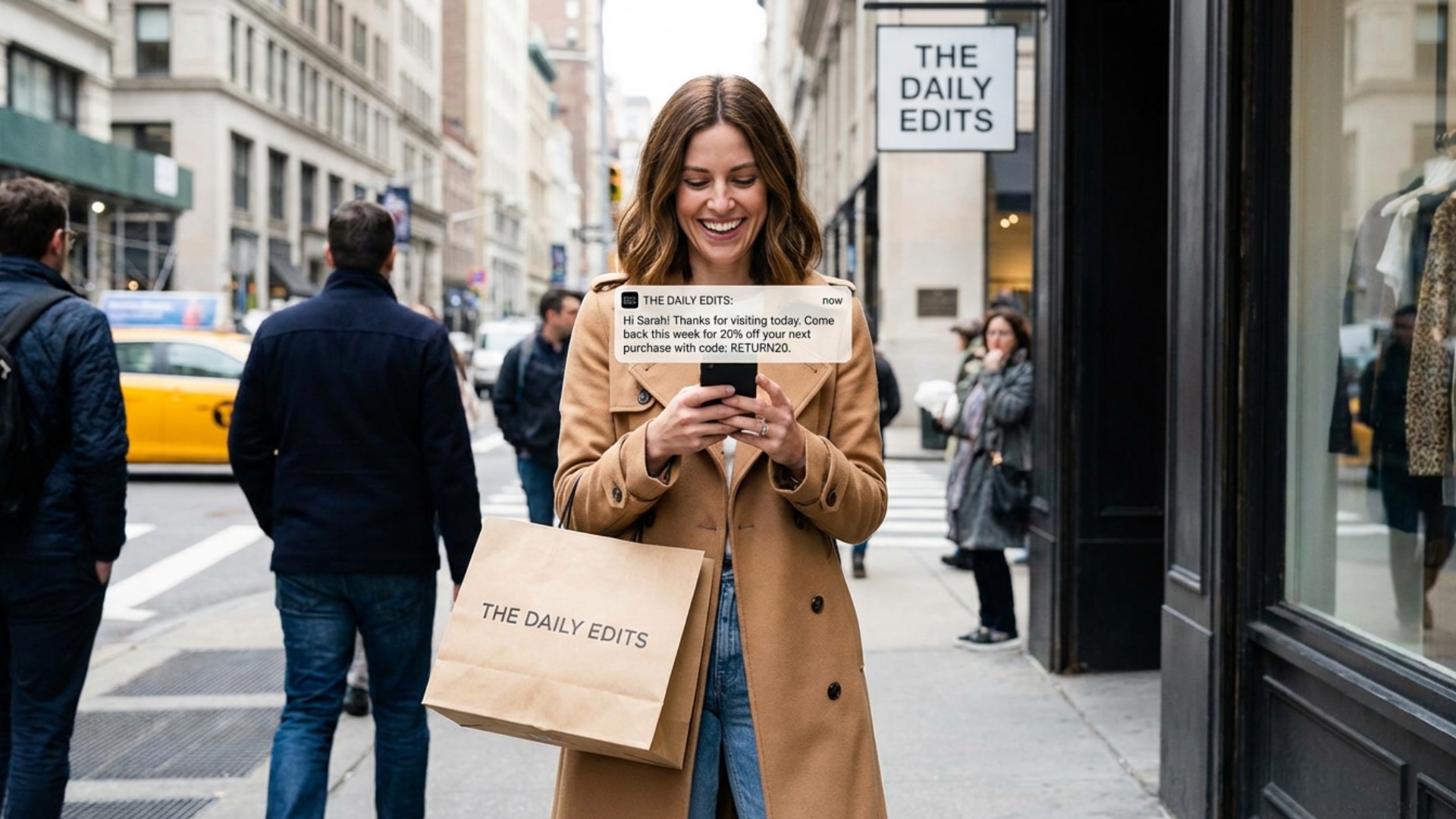
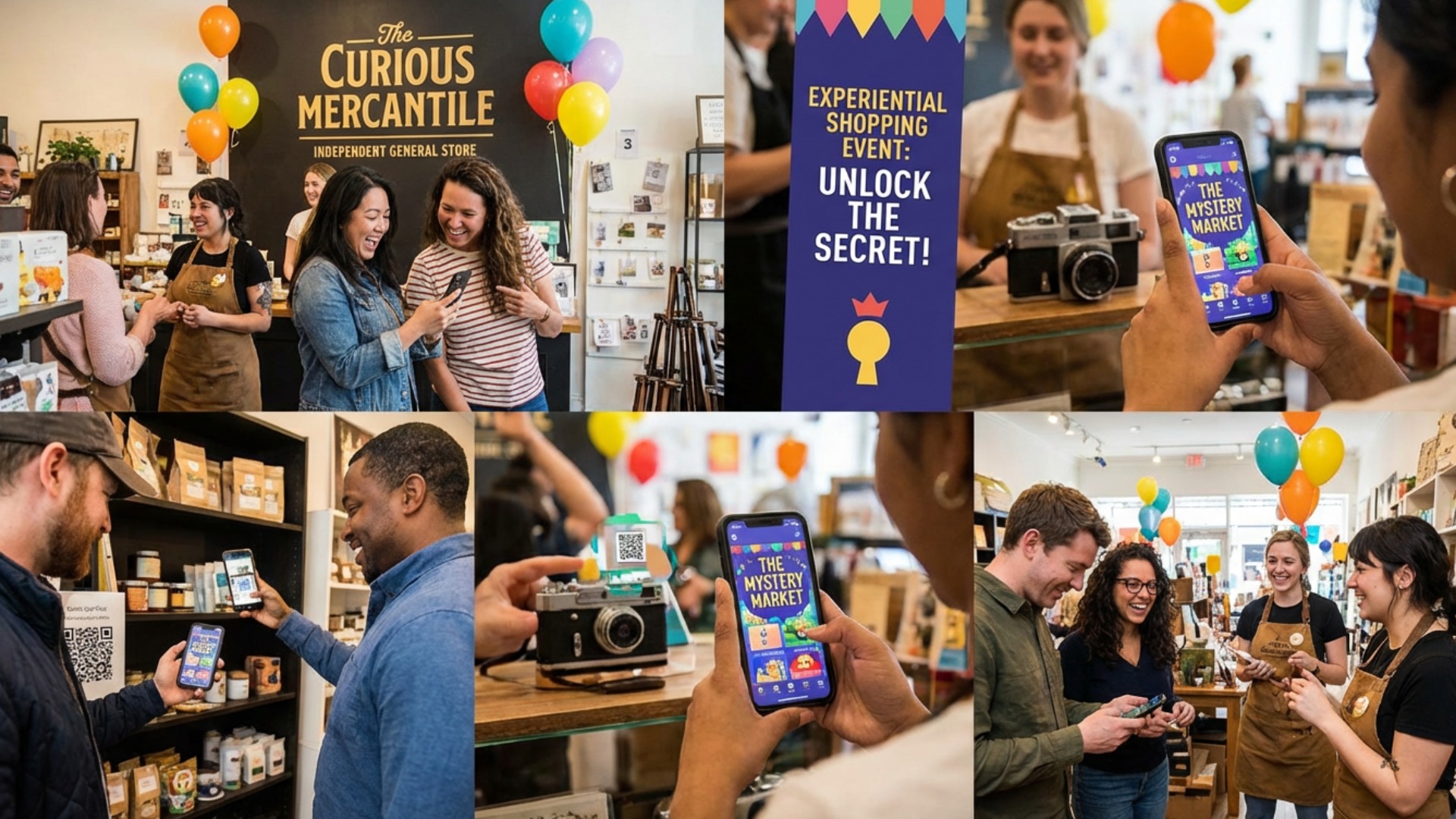
Simple tools can turn a one-time visit into an ongoing relationship. QR codes, short sign-up forms, and mobile check-ins make it easy to track participation, gather emails, and invite guests into a local shopping community that receives updates, perks, and early access to new experiences. Loyalty points, digital punch cards, or event-specific rewards can be shared across multiple merchants, so visitors see the value of returning to the same Main Street repeatedly.
Rischitelli sees significant potential in tools like geofencing to measure not just who shows up but who comes back. “Feet in the door is the big one, but it’s also the repeat,” he explains. “How often are people coming back in? Are you seeing that same person three times a year instead of that one-and-done?” Feedback collected after events — through quick surveys, social media polls, and sign-up data — helps retailers understand which themes, routes, and offers created the most excitement and spending, guiding future collaborations to be even better tuned to local interests.
On the technology front, the possibilities are expanding. “Digital signage is huge right now,” Rischitelli notes. “There are a variety of ways to incorporate tech — even augmented reality that lets you see things exclusively in the store.” The sky’s the limit, with the constraint of what’s realistic given budgetary and time resources. The most important thing is choosing tools that feel seamless for the customer rather than like a chore.
A playbook for retailers and towns
An entertainment-led initiative works best when it follows a clear, simple roadmap that local partners can rally around. Start by choosing a theme that fits your town, then invite nearby merchants to participate and map a walkable route that guides guests through key streets and storefronts. Set goals for the experience — such as increasing local shopping visits, capturing sign-ups, or spotlighting new businesses — so everyone understands what success looks like.
Rischitelli’s most important piece of advice for anyone starting out: don’t pull the plug too soon. “If you go into it with a pre-conceived notion of doing it for 30 days, you’re going to fail,” he warns. “You should try it for at least a year, or you’ll be flushing money down the toilet. It’s a longer-term investment. You have to build momentum behind it so the next time you do an event, more people show up.”
Marketing support is equally non-negotiable. “You can’t just create the experience,” he says. “You have to let people know it exists. No matter what you put into your space and your venue, you have to support it with appropriate marketing to get exposure. That’s the biggest mistake people make, especially when they’re new. They don’t set aside the resources for exposure marketing.”
Mystery on Main Street’s gamification app can serve as the core tool that brings this playbook to life. The app can host clues, track progress, and deliver rewards, which makes it easier to run one-night specials, limited seasonal runs, or recurring series that encourage people to return for the next chapter of the story. Each format can use the same digital backbone while changing themes, participating merchants, and rewards, so retailers and towns can repeat what works, experiment with new ideas, and steadily grow a loyal local shopping audience over time.
Turning entertainment into a local shopping habit
Local shopping thrives when it feels like the most enjoyable way to spend time close to home. Entertainment-led experiences — from mystery adventures to gamified trails — give people a reason to choose Main Street for their next night out instead of defaulting to online orders or distant malls. When merchants, town leaders, and experience creators work together, a single activation can introduce visitors to new stores, build neighborhood pride, and spark routines that keep people coming back.
The real power of this approach lies in treating each event as the start of an ongoing relationship rather than a one-off spectacle. “It comes down to allocating proper resources, the creativity, and the time to build something really special,”said Rischitelli. Thoughtful use of storytelling, technology, and data turns guests into familiar faces who return for the next theme, bring friends along, and support more businesses with every visit.
About the Author

Shari Berg is the Consulting Managing Editor for Mystery on Main Street and a writing professional with over 30 years of experience in her field. As an award-winning journalist and content strategist, Shari helps businesses and individuals connect with their audiences through compelling and polished content.